ACM Eminent Speaker Program (ESP)
“Software Engineering: A Methodology for Reliable Software” | Prof. (Dr.) Vineeth Paleri
Date and Time: 23 October 2025, 10.30 am
Venue: Seminar Hall, Convergence Academia Complex, Mahatma Gandhi University
Organized by:
MGU ACM Student Chapter, in association with School of Computer Sciences & School of Artificial Intelligence and Robotics, Mahatma Gandhi University, Kottayam
Speaker:
Prof. (Dr.) Vineeth Paleri Former Professor, Department of Computer Science and Engineering, National Institute of Technology Calicut
1. Inauguration
The ACM Eminent Speaker Program at Mahatma Gandhi University commenced with a Welcome Address by Prof. (Dr.) Pushpalatha K.P., Professor, School of Computer Sciences, and Membership Chair of the MGU ACM Student Chapter. She introduced the speaker and elaborated on the objectives and activities of the MGU ACM Student Chapter.
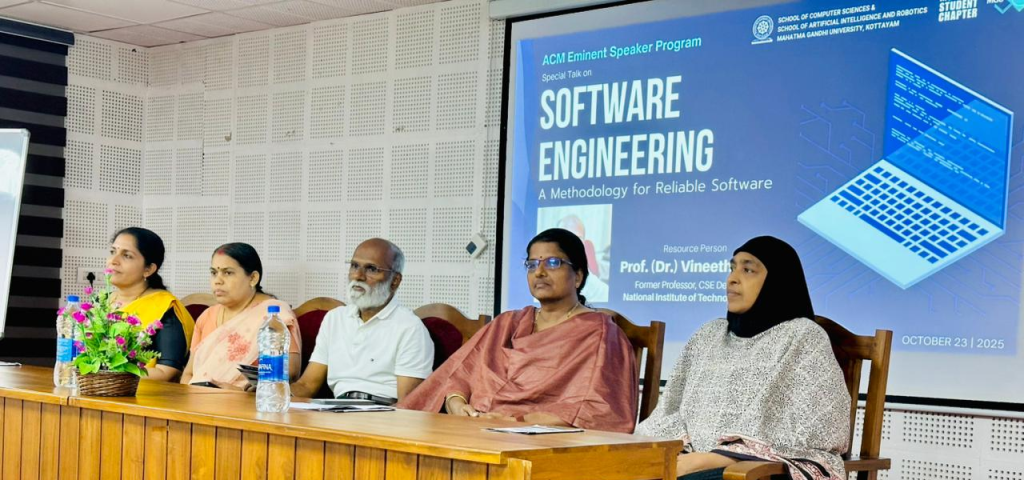
The Presidential Address was delivered by Prof. (Dr.) Bindu V. R., Professor and Head, School of Computer Sciences, Honorary Director, School of Artificial Intelligence and Robotics, and Faculty Sponsor of the MGU ACM Student Chapter. She emphasized the importance of organizing such academic sessions to enrich the learning experience of students and researchers.
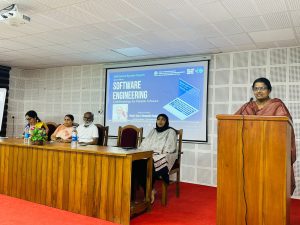

2. Session I: Software Engineering – A Methodology For Reliable Software
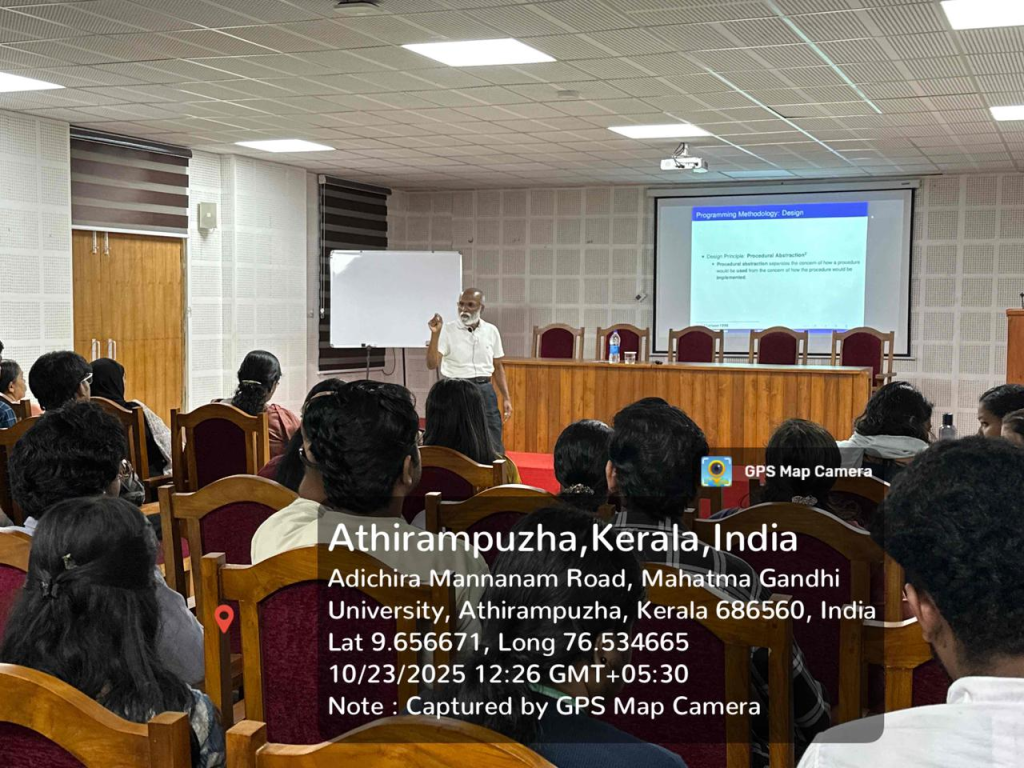
Prof. (Dr.) Vineeth Paleri initiated the session with a thought-provoking question, “How can we claim that the software we develop is guaranteed, and how can we ensure that we are reliable software engineers?”, which set the tone for an insightful exploration of reliability in software engineering. Then, he explained the importance of reliability in software development using real-life examples. The speaker clarified the difference between “programming” and “programming languages”, emphasizing that while programming refers to the conceptual foundation, programming languages are implementations of these underlying principles.
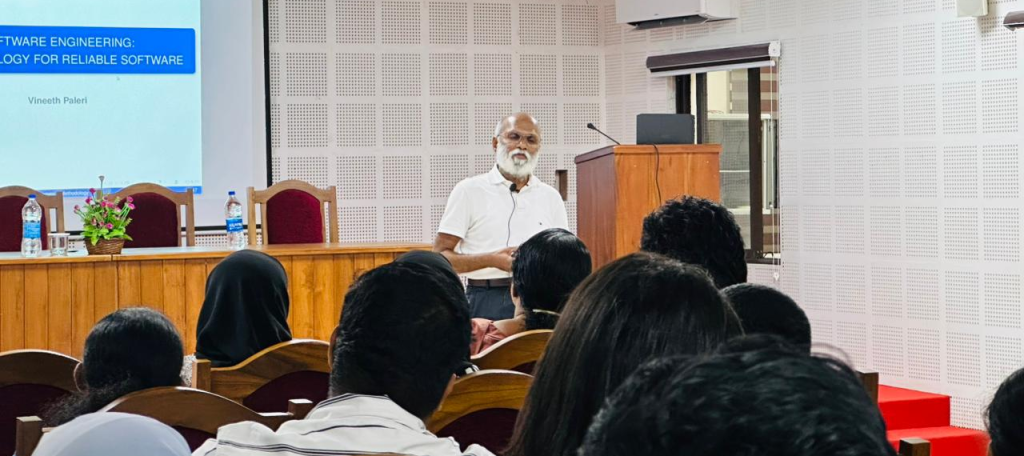
Prof. Dr. Vineeth Paleri taking session on Software Engineering—A Methodology For Reliable Software
The speaker emphasized that any problem must first be clearly and accurately described through proper specifications, noting that if the specifications are correct and unambiguous, the need for extensive testing can be largely eliminated. He illustrated this concept using an example of implementing division through subtraction, underscoring how correctness in specifications can even minimize or eliminate the need for exhaustive testing.
3. Session II: Unravelling the Landscape of Computer Science Education
In the second session, Prof. (Dr.) Vineeth Paleri discussed the distinctions between Computing Science and Computer Science. Also he differentiated
computing disciplines, Computer Engineering, Computer Science, Information Technology, and Software Engineering. He elaborated on the problem space of Computer Science, mapped along dimensions such as theory, design and development, maintenance, and spanning across hardware, system software, and applications.
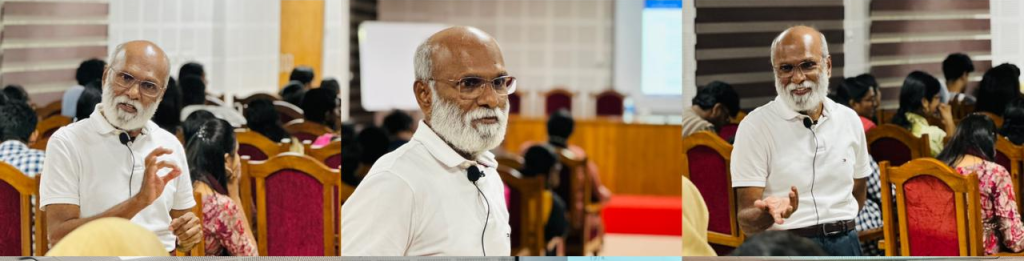
Prof. Dr. Vineeth Paleri
4. Discussion and Interaction
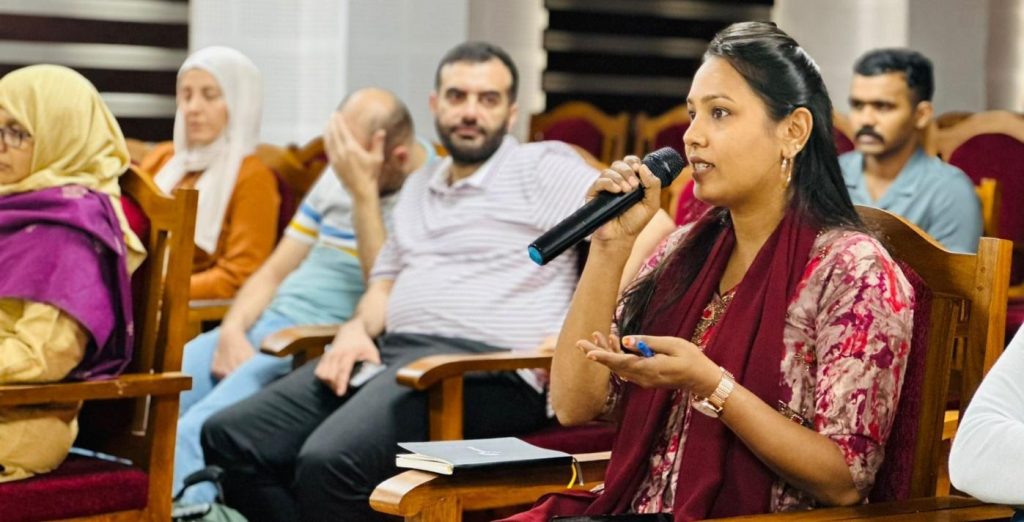
The session concluded with an engaging interactive discussion where participants sought clarifications on various aspects of software reliability. Prof. Dr. Pushpalatha K.P. initiated the discussion by raising a query on the requirements of specifications during system design. Febin Antony, inquired about the availability of portals for learning more about formal specification methods. Arya Devi M R, posed a detailed question on the limitations of software testing, noting that it is impossible to achieve 100% guarantee in software products due to incomplete testing coverage. She further asked whether implementing automated testing, particularly using NLP-based test case generation, could help overcome this limitation and ensure maximum reliability in software products.
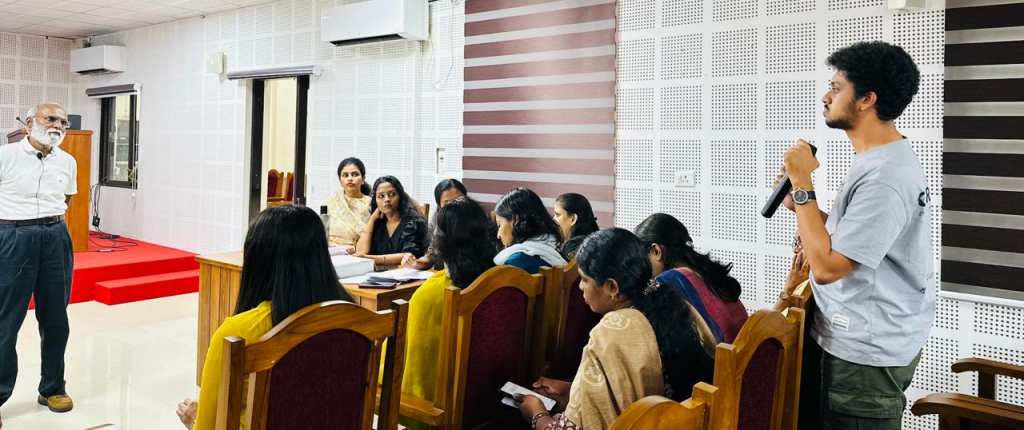
Asst. Prof. Abseena Habeeb (School of Data Analytics, MGU), contributed by sharing real-life instances that highlighted the importance of reliability in software development and further questioned how reliability aligns with AI-generated code and large-scale systems. The speaker responded comprehensively, emphasizing that while achieving complete reliability is practically unattainable, the adoption of advanced techniques such as automated testing and formal verification can significantly enhance software dependability and overall quality assurance.
5. Vote of Thanks and Conclusion
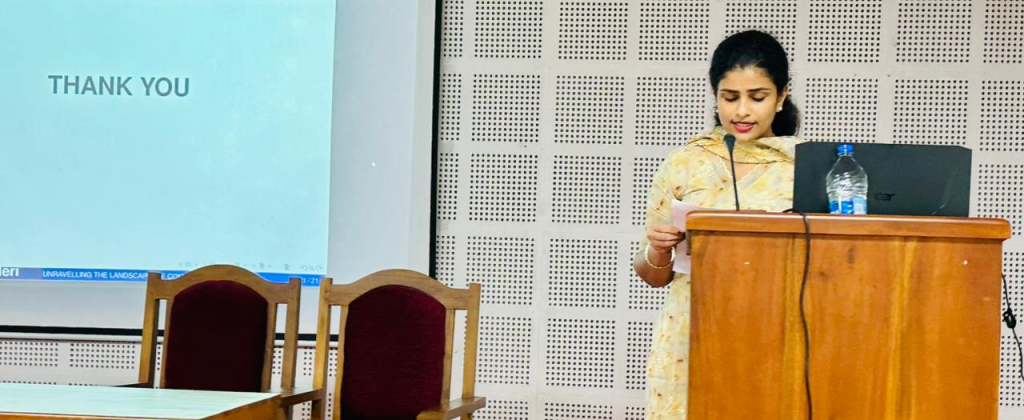
Participants appreciated the session as highly informative and thought-provoking, noting that it effectively unveiled the practical importance of reliability in software development. Students found the speaker’s explanations and examples extremely valuable in connecting theoretical principles with real-world applications. The ESP is concluded with a Vote of Thanks delivered by Ms. Nayana Elizabeth Andrews, Research Scholar and Chair of the MGU ACM Student Chapter. She expressed heartfelt gratitude to the Director, faculty members, invited speaker, and all participants for their active involvement and support.
VIDEO LINK: https://www.youtube.com/watch?v=CU-hdXTwCOE
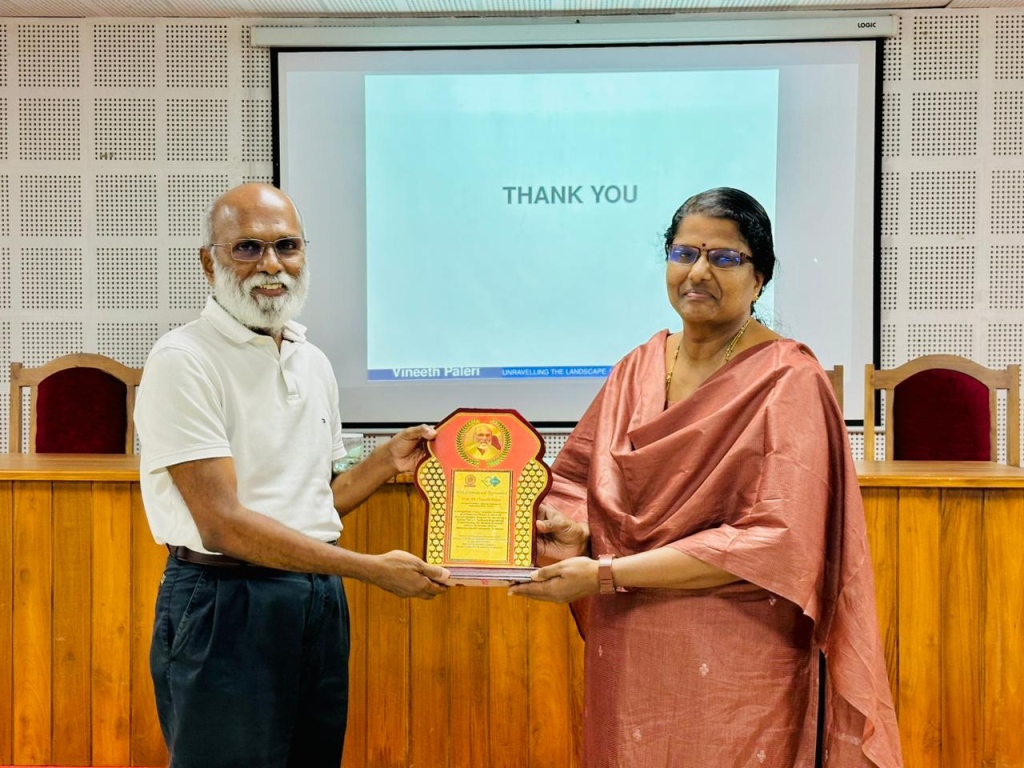
As a gesture of appreciation, Prof. (Dr.) Bindu V. R. presented a memento to the resource person, Prof. (Dr.) Vineeth Paleri.
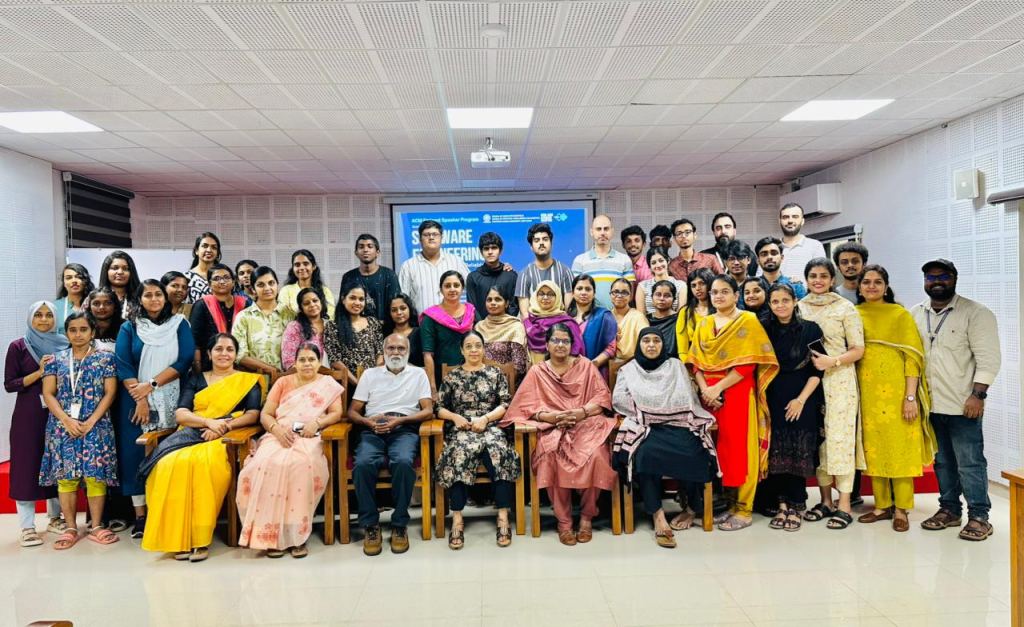
The event ended with a group photo session, marking the close of an intellectually enriching and inspiring program.
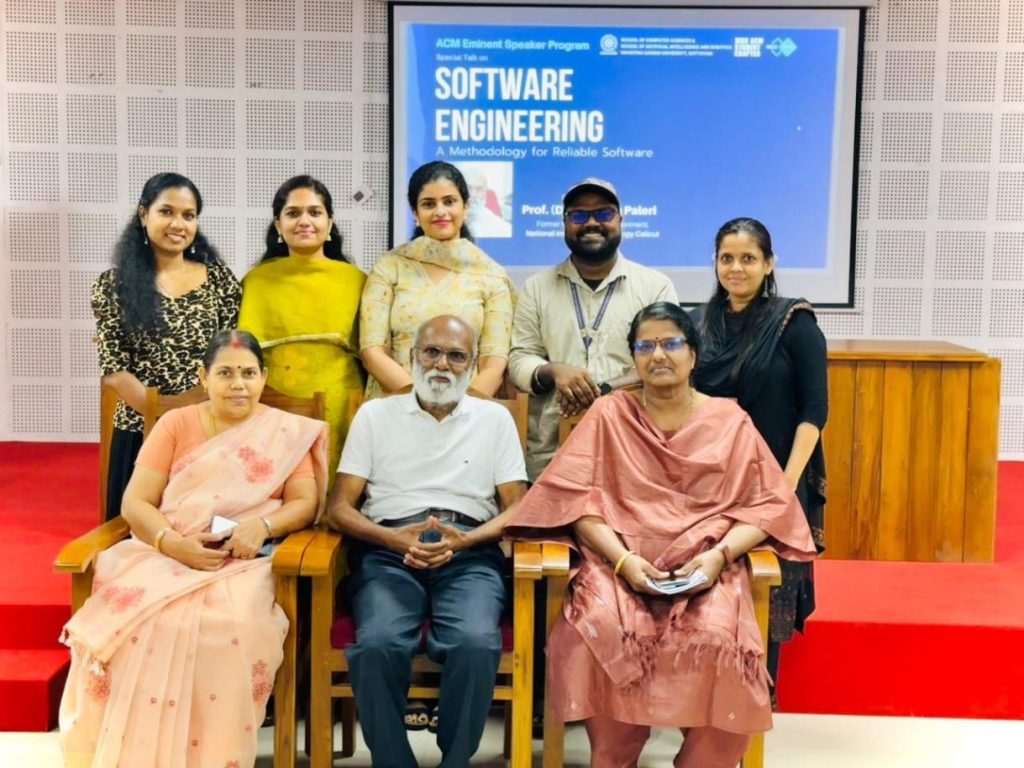
Team MGU ACM Student Chapter 2025 | Anagha K V (Treasurer), Neena Suesh (Vice-Chair), Nayana Elizebeth Andrews (Chair), Sujith P S (Webmaster), Thushara L (Secretary), Prof. Dr. Pushapalatha K P (Membership Chair), Prof. Dr. Bindu V R (Faculty Sponsor)
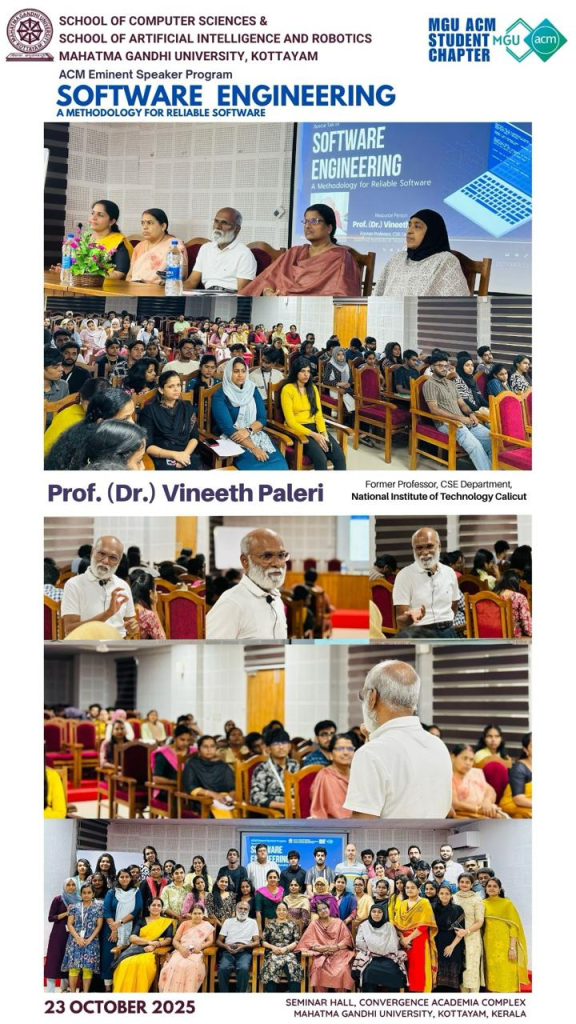
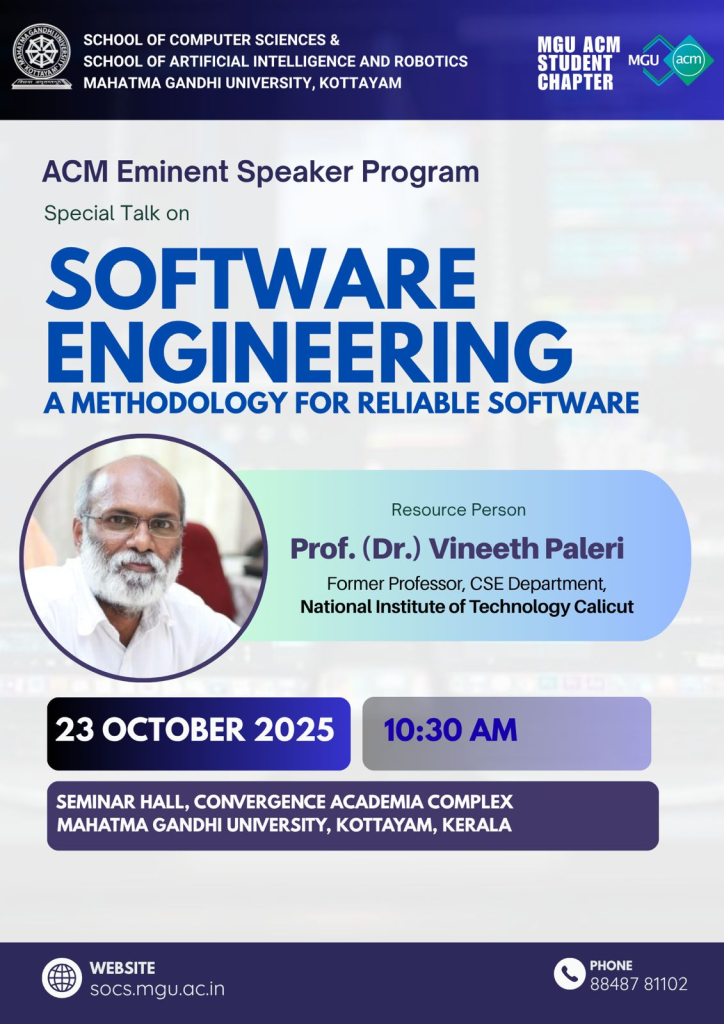
Brochure of ACM ESP at MG University

© 2026 Priyadarsini Hills, Kottayam,Kerala,India, Pin: 686560
